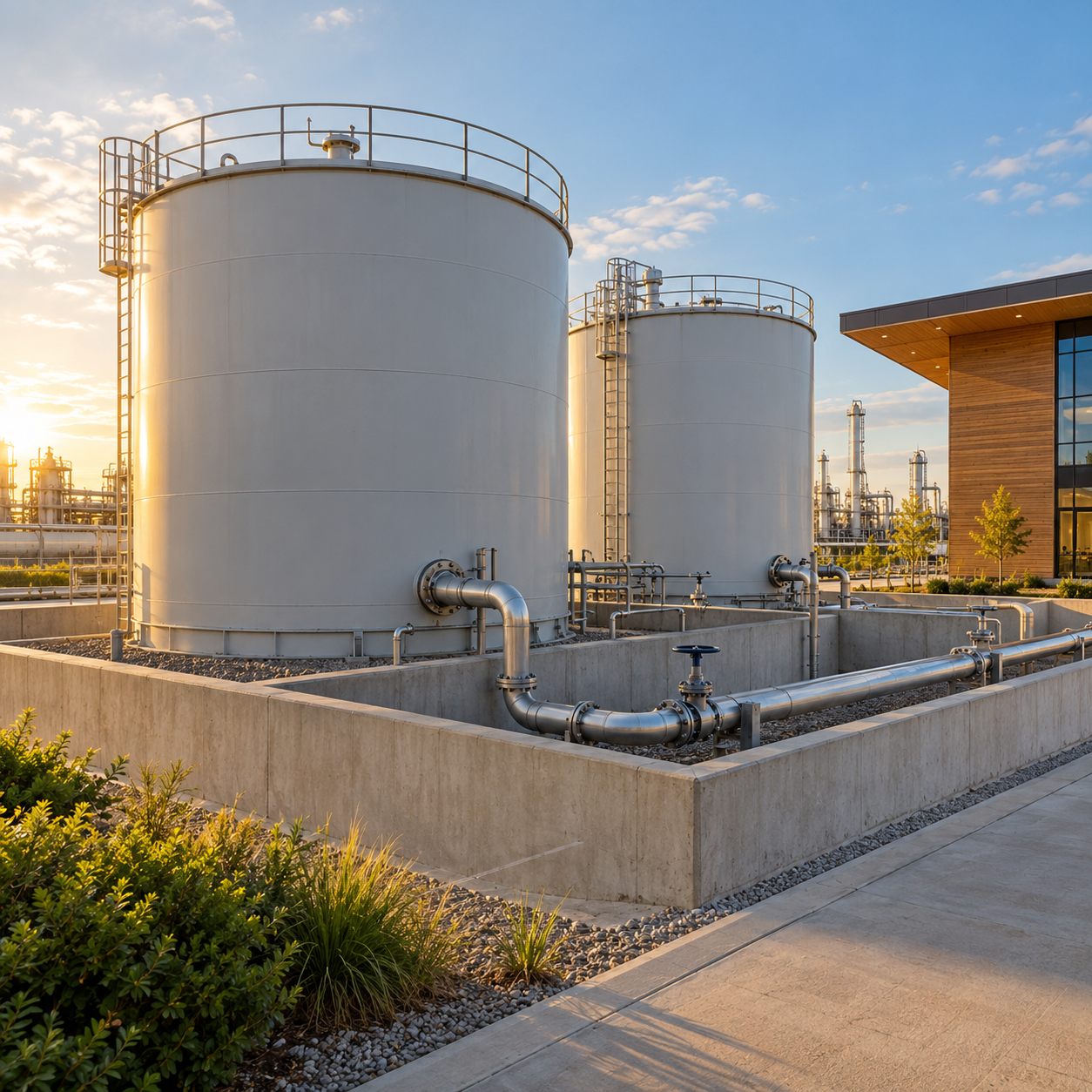
Tank dewatering
Discharge settled water from storage tanks while helping retain the separate lighter product. Review oil properties, available head and drainage arrangements.


Automatic discharge of separated liquid phases for tank dewatering, chemical recovery and effluent protection.
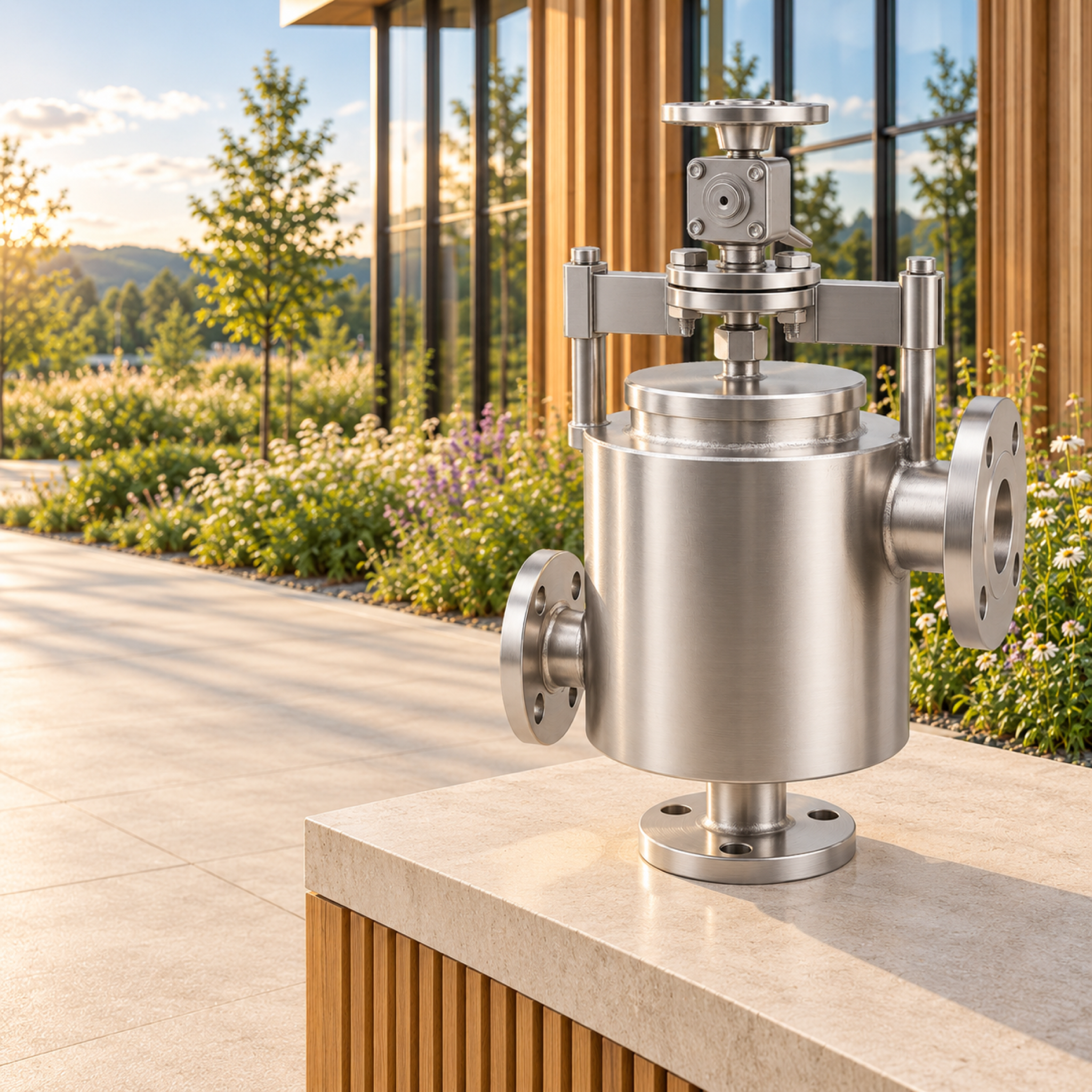
The Belfield valve uses a weighted, calibrated float to respond to the difference in specific gravity between two immiscible liquids. It discharges the heavier phase, then closes mechanically when the lighter phase reaches the valve.
The standard mechanism works without an electrical supply, external sensor or control panel. A high-velocity flow across the seat helps reduce deposits, while application-specific selection determines the body material, model and float setting.
The liquids must first settle into separate phases. The valve controls their discharge; it does not perform the initial separation or treat dissolved contamination.
Explore the duty first, then bring the liquid properties and installation conditions together for valve selection.
Discharge settled water from storage tanks while helping retain the separate lighter product. Review oil properties, available head and drainage arrangements.
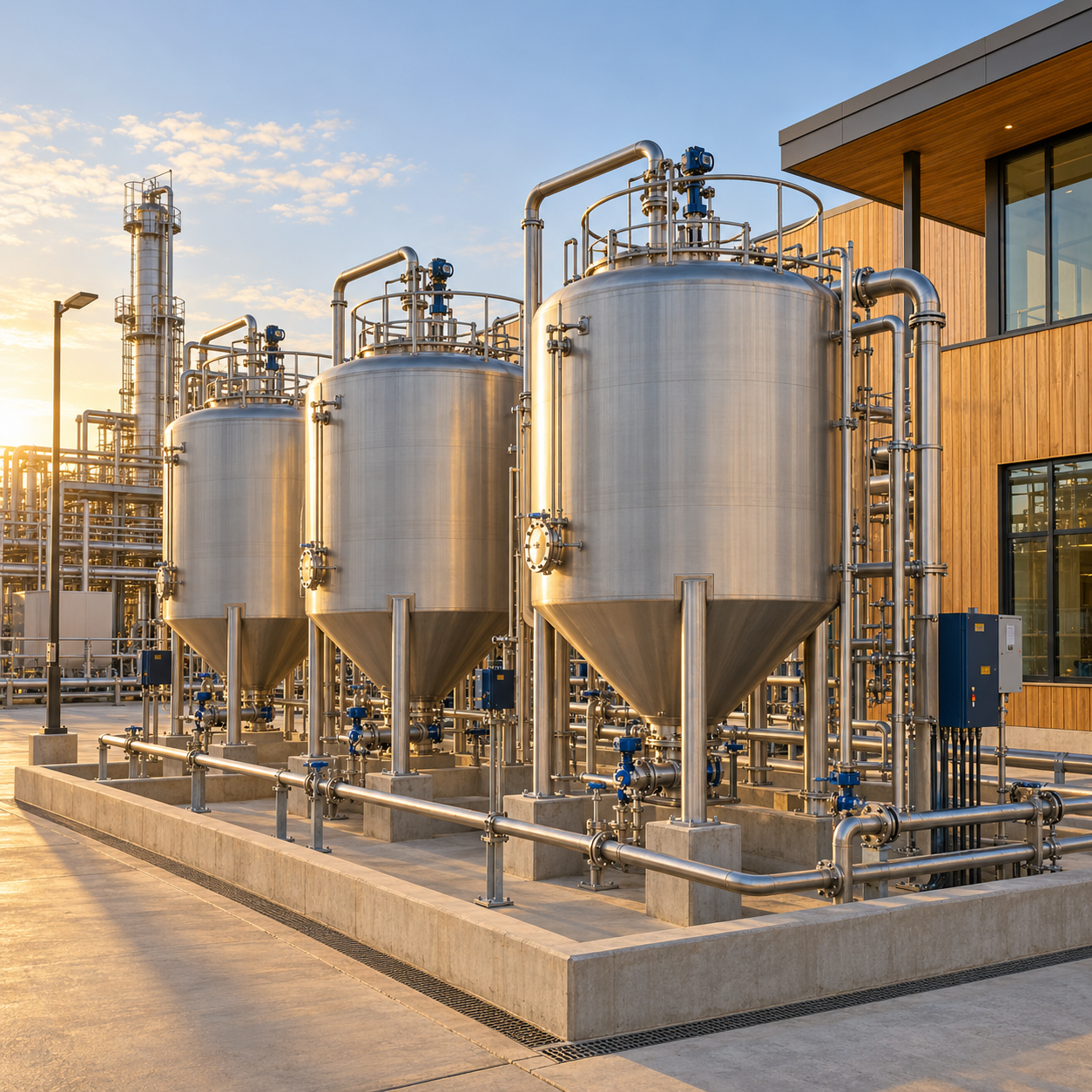
Control the discharge of separated, immiscible liquid phases in batch processing, washing and product recovery duties.

Help retain a separate unwanted product phase at the vessel outlet before it reaches downstream effluent treatment.

Review the tank-side roof-drain outlet, rainwater flow and product retention if an articulated joint or hose fails.
A calibrated float follows the change in liquid phase. The sequence below explains the function; the operating manual covers the installation-specific procedure.
Immiscible liquids must separate in the vessel before they reach the valve. The valve does not break an emulsion.
The calibrated float rises in the heavier liquid, allowing that phase to flow through the main discharge.
As the lighter phase arrives, the float drops and the mechanism closes the main outlet to help retain that phase.
The brochure describes operation with an average specific-gravity difference of about 5%. Suitability depends on the liquid pair and its properties across the operating temperature range.
Carbon steel and stainless steel models are available, with stainless steel internals. Confirm wetted-material and seal compatibility for the intended liquids.
The published design pressure is 75 psig; 112.5 psig is the hydrostatic test pressure. Nominal model capacities are quoted at a 25 ft (7.5 m) reference head.
Applications include petroleum tank dewatering, refinery and chemical decantation, and retaining unwanted product before wastewater treatment. The recovery arrangement depends on which phase is valuable and where each outlet is routed.
Gravity-fed and pumped arrangements can be considered. Solids, wax, emulsions, flashing liquids, high viscosity and downstream pressure all need review rather than a selection based on pipe size alone.
Floating-roof rainwater drainage is a separate installation duty. The valve is fitted at the tank-side drain outlet; it does not replace the articulated drain or flexible hose.

PMA has supported process measurement and analysis since 1971. We bring the valve and its application together: the liquids, the vessel, the discharge route and the information your team needs.
Share your process conditions and a vessel or piping sketch. Our team can help you review selection, installation requirements and ongoing support.
Published operation, materials, model capacities and application limits.
Installation and operating guidance for the configured valve and process duty.
Explore the wider Belfield technical library and application background.
The standard float-operated decantation mechanism does not. An optional magnetic float-position indicator uses a 24 V DC supply and must be specified for the installation environment.
No. The liquids must already have settled into distinct immiscible phases. Persistent emulsions and suspended contamination require separate process assessment.
No. It is an average figure described in the brochure. Selection must consider the closest density difference expected across the actual liquid and temperature ranges.
Provide both liquid identities and properties, temperature and pressure ranges, flow and available head, downstream conditions, material requirements and a vessel or piping sketch.
Speak to the PMA team about your instruments, reagents or service requirements. Tell us what you need, and we’ll help you find the right next step.
Trusted by our clients


Share your requirements below. All fields are required.
Your enquiry goes directly to our team. Your details are used to respond to you, and you won’t be added to a marketing database. Read our privacy policy.
To find out more about our range of sensors, request a callback or ask a technical question, our expert staff are always on hand. Our focus has always been to deliver world-class customer service.
Get startedWe use optional Google Analytics cookies to understand which pages are useful. Analytics stays off unless you accept. Read our privacy statement.