Primary purpose
- Predict changing coagulant demand
- Support stable filtered-water turbidity
- Respond to source-water variability
- Reduce avoidable over- and under-dosing


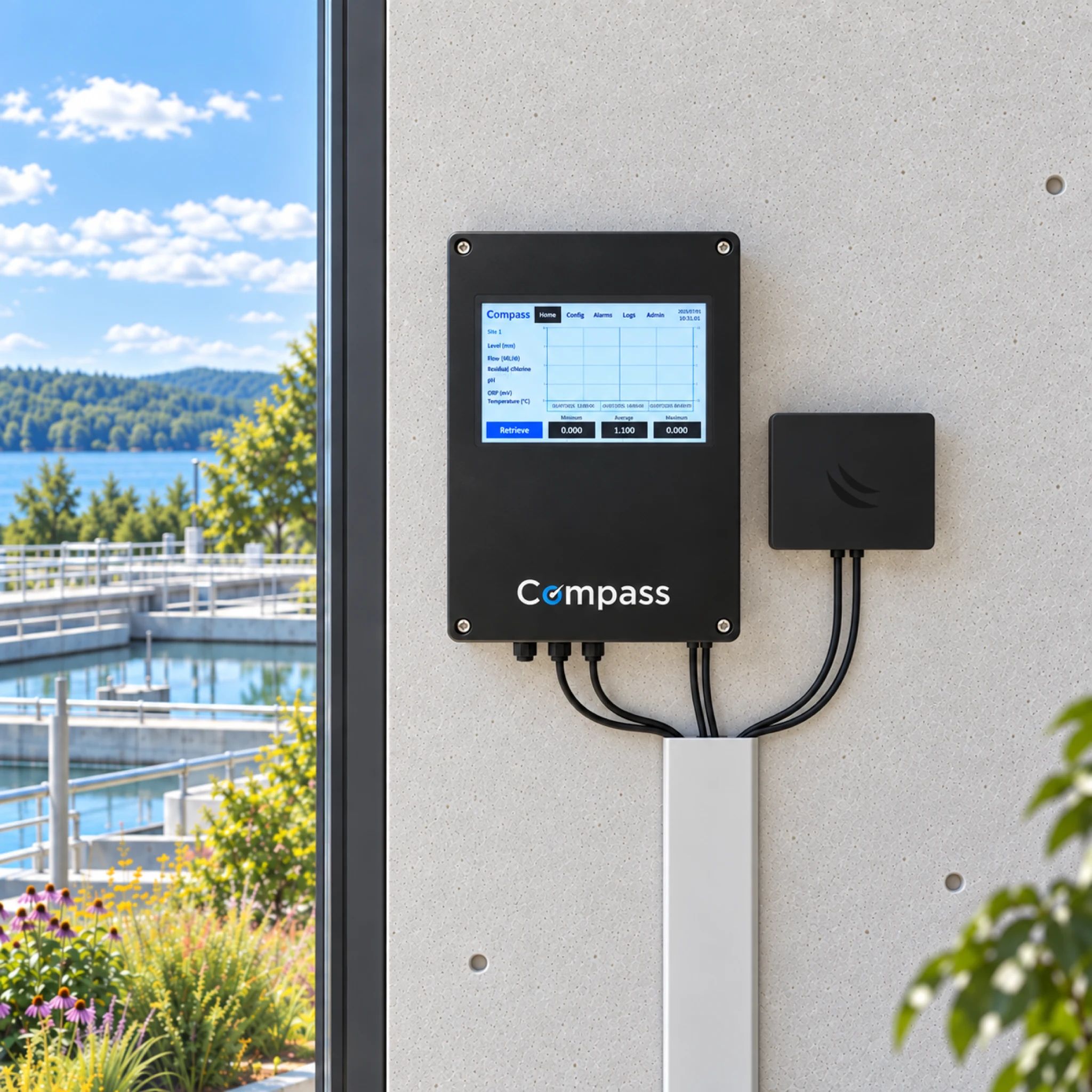
Compass uses continuous source-water measurements and site-specific control models to calculate a coagulant-dose output as water quality changes.
Automatic dose control
Raw-water quality can change quickly following rainfall, seasonal turnover, catchment events or changes in abstraction. A fixed dose or a control response based only on delayed downstream measurements may not reflect the water currently arriving at the plant.
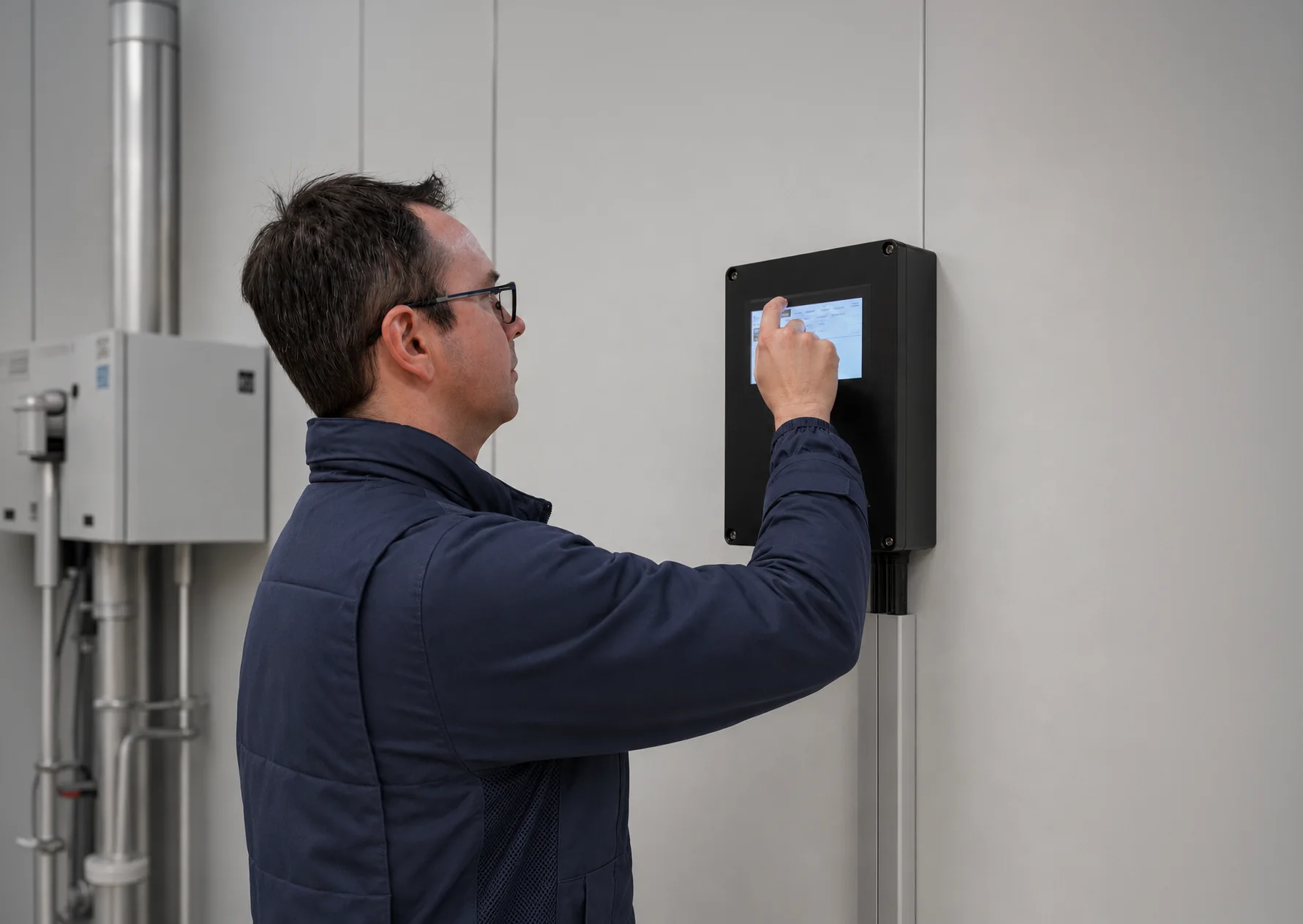
Compass is a predictive, feed-forward coagulation-control system. Online water-quality measurements are used with a site-specific model to calculate a coagulant-dose demand. The resulting output can be integrated with the plant control philosophy and existing dosing equipment.
The applicable sensors, signal handling, dose limits, operating modes and validation plan depend on the treatment works. PMA reviews these requirements before a configuration is proposed.
Compass combines continuous water-quality measurement, a site-specific coagulation model and a controlled dose output. The design is agreed around the source water, treatment process, existing instrumentation and operational requirements.
 Technical resources
Request the current Compass information and discuss the water-quality inputs, coagulant, dose range, control-system interface and validation requirements with PMA.
Compass is configured for the individual works. It does not apply one universal relationship to every source water or coagulant.
Online instruments continuously characterise the incoming water using the agreed spectral and turbidity inputs.
The configured model interprets the measurements in the context of the source water and treatment objective.
Compass calculates a coagulant-dose demand within the operating limits agreed for the site.
The output is passed to the plant control system or dosing arrangement according to the approved operating philosophy.
Both configurations begin with feed-forward prediction from the incoming water. Compass EOR adds a treated-water optical measurement to trim the predicted dose against an enhanced organics-removal objective.
Feed-forward control for drinking-water coagulation, configured to support the required turbidity performance at an appropriate coagulant dose.
Enhanced Organics Removal combines the feed-forward prediction with treated-water feedback to trim the dose for the agreed organics-removal objective.
The achievable result depends on source water, plant condition, coagulant, process constraints and the agreed control objective. Historic examples should be treated as site-specific evidence, not as a guarantee.
Continuous feed-forward measurement allows the dose calculation to respond to changing incoming water rather than waiting only for a downstream effect.
A defined model, dose limits and validation process can support a steadier response across routine and changing raw-water conditions.
Compass EOR adds a treated-water measurement so the feed-forward prediction can be trimmed against the site’s enhanced organics-removal objective.
A useful proposal begins with the treatment objective and the way the works currently measures, doses and validates coagulation performance.
Sources, seasonal variability and known event conditions.
Turbidity, organics-removal and other agreed performance priorities.
Chemistry, normal dose range and any pH or alkalinity considerations.
Existing measurements, sample arrangements and current sensor generation.
SCADA, dosing equipment, signals, modes, limits and operator ownership.
Baseline data, commissioning tests and the method used to review performance.
Measurement, model, integration and validation should be reviewed as one application.
Practical guidance for planning automatic coagulation control in drinking-water treatment.
No. Compass is presented as a predictive, feed-forward system that uses continuous water-quality measurements and a site-specific model to calculate dose demand.
Standard Compass uses incoming-water measurements for feed-forward control. Compass EOR adds a post-treatment optical measurement that trims the prediction for the agreed organics-removal objective.
No. Source material spans more than one instrumentation generation. PMA must confirm the current sensor, panel and interface arrangement for the proposed site.
The output and operating modes can be reviewed for integration with the existing dosing and SCADA philosophy. Exact I/O and communications are configuration-specific.
Provide source-water information, treatment objectives, coagulant and dose range, existing measurements, control-system details and the required validation approach.
No. Chemical, performance and payback results are site-specific. Any expected benefit should be assessed against current plant data and validated after commissioning.
Use these resources to understand the control approach, supporting measurements and wastewater application, then speak to PMA about the requirements of your works.
Review a published example of the Compass control approach and its application context.
Explore related measurement for organics removal and disinfection by-product risk assessment.
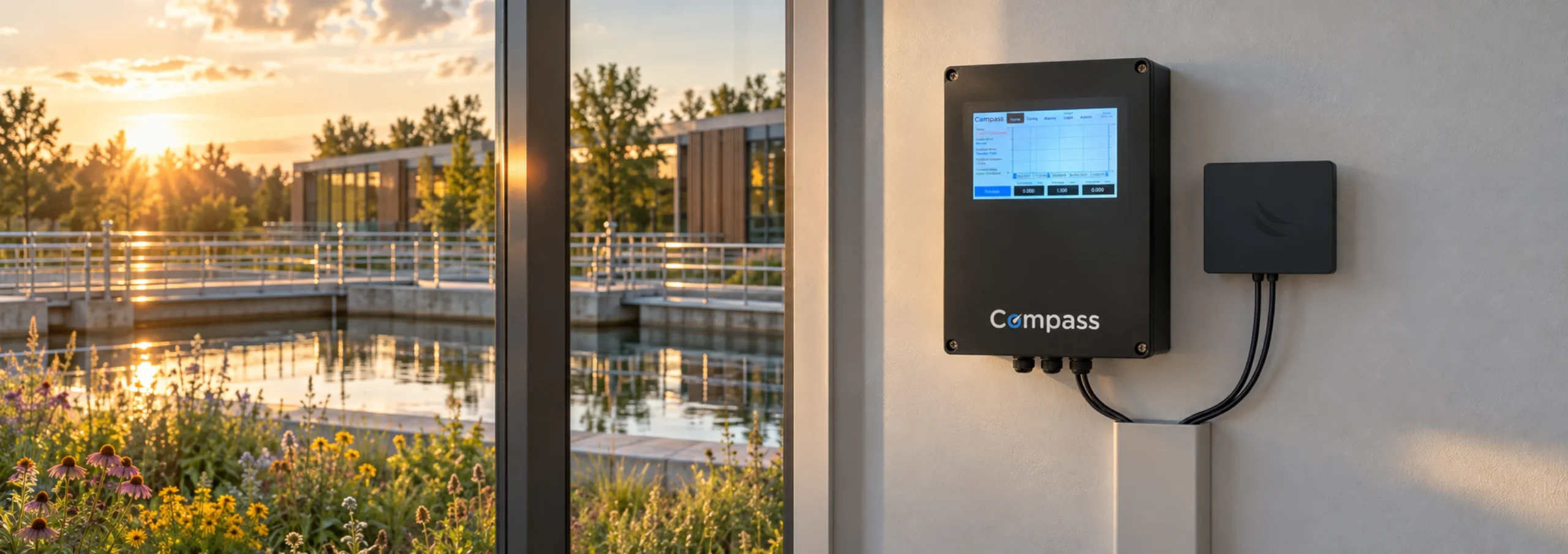
See how the Compass family supports phosphorus removal and chemically enhanced wastewater pre-treatment.

Start with the source water, current coagulation process, dosing constraints and the result the works needs to control.
Review measurements, signals, operating modes, limits, alarms and responsibilities before implementation.
Commissioning and performance assessment should use agreed site data and operating conditions.
Speak to the PMA team about your instruments, reagents or service requirements. Tell us what you need, and we’ll help you find the right next step.
Trusted by our clients


Share your requirements below. All fields are required.
Your enquiry goes directly to our team. Your details are used to respond to you, and you won’t be added to a marketing database. Read our privacy policy.
To find out more about our range of sensors, request a callback or ask a technical question, our expert staff are always on hand. Our focus has always been to deliver world-class customer service.
Get startedWe use optional Google Analytics cookies to understand which pages are useful. Analytics stays off unless you accept. Read our privacy statement.