Suspended solids & SVI analysis.Discover S3A
PMA colleagues reviewing wastewater treatment operations with a tablet

Review a denitrification change

Connect separate nitrate and nitrite trends to a clear operating record before assessing a process change.

Define the change you want to review

A lower nitrate reading after an operating adjustment is a useful observation. To understand it, retain the nitrite result and the conditions surrounding the change. Identify the treatment stage, the operational question and the evidence your team will use to judge the response.

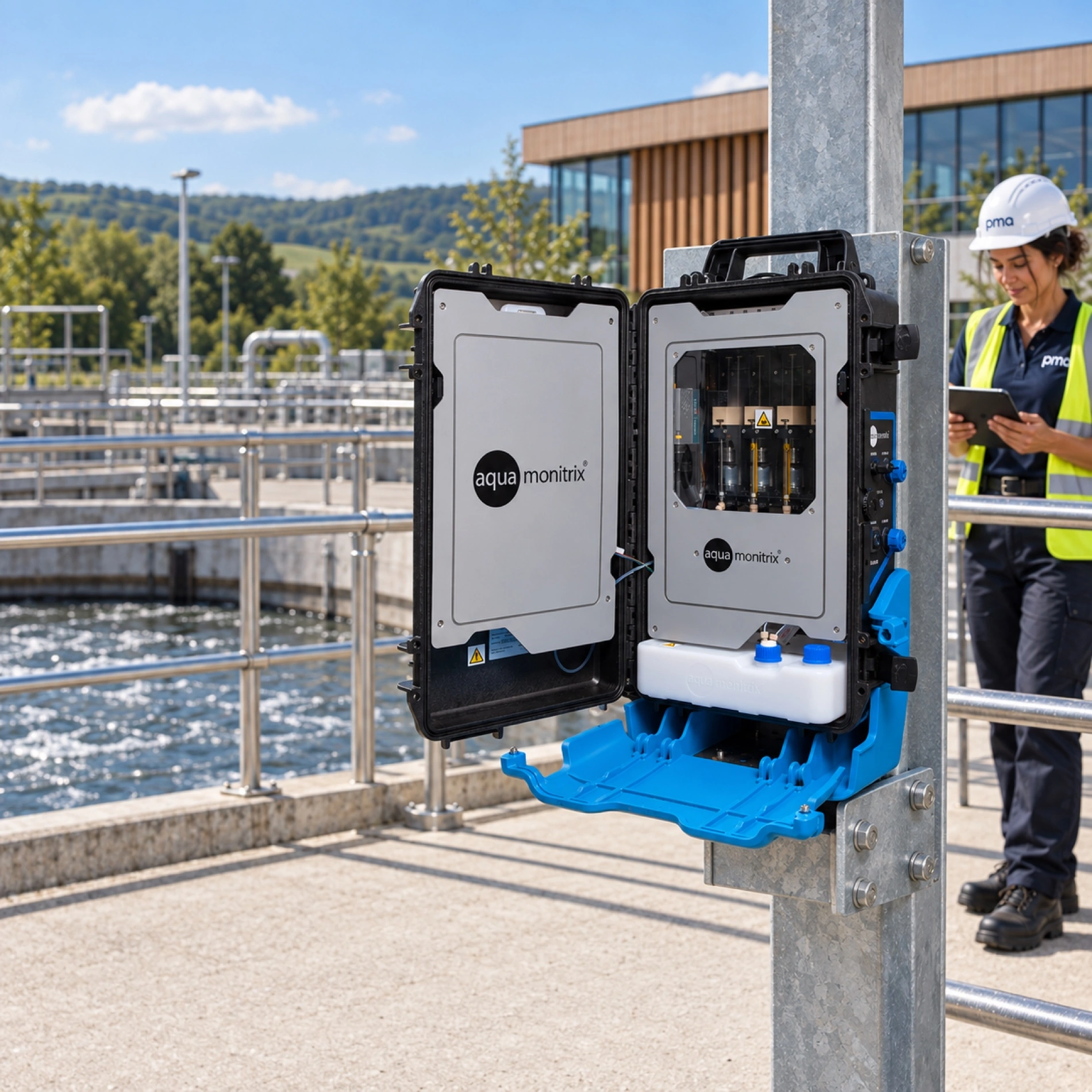
Aquamonitrix separates nitrate and nitrite before measuring them. Use those two channels to build a process record alongside the plant's existing measurements and procedures. PMA can help review the analyser configuration, representative sample point and practical data arrangement for the investigation.

Aquamonitrix analyser beside wastewater treatment basins

Build a process-change record

Give each review a reference, an owner and a defined operating window. Keep these four parts together so another shift can understand what was changed and what the results describe.

Name the stage and sample point

Record the train, anoxic stage and exact sampling location, including any common outlet, return stream or alternative flow route. Note which water reaches the analyser under the recorded arrangement. A combined outlet describes a mixture and may not isolate the response of one treatment stage.

Keep the operating context

Retain the relevant flow, loading and available process measurements before and after the adjustment. Record the carbon product and dose setting, where applicable, with the actual change time and authorisation. Note simultaneous changes to recirculation, aeration or the active train rather than attributing every trend movement to the selected adjustment.

Align the sampling timeline

Keep the sample collection time, analysis time and sample route clear. Record known transport delays and the expected process response window. A result displayed just after the setting changed may describe water collected beforehand. Choose a comparison window that suits the hydraulic arrangement and analytical schedule rather than assuming the next reading is the outcome.

Retain checks and interruptions

Link independent samples by their collection point, time and report reference. Keep channel units, sample preparation and any conversions visible. Mark servicing, interrupted sample delivery and unavailable results. Leave unresolved differences in the record and assign the follow-up check; do not interpolate a clean response through a period without measurements.

Review both channels against the same question

Start with the individual nitrate and nitrite trends. Ask whether the operating conditions and sampling timeline support the comparison, then record the observed response and the next action under the site's agreed procedure. If a combined value is needed, first put both results on the same nitrogen basis and label the calculation clearly.

Nitrate plus nitrite is not a complete total-nitrogen measurement. A fall in concentration alone also does not establish a reduction in nitrogen load when flow changes. Retain the relevant flow record and additional analyses required by the purpose of the review. Keep an operational investigation separate from a formal compliance assessment.

A useful handover question

Suppose an authorised carbon-dose adjustment is followed by lower nitrate while nitrite rises. Retain both observations, check when the sampled water entered the stage and identify any concurrent flow or recirculation change. The useful handover is the evidence to check and the person responsible for reviewing it, rather than a conclusion drawn from nitrate alone. This is a hypothetical review example, without a dosing recommendation or promised result.

Plan the measurement around the review

Sample arrangement

Assess the water matrix and the route to the analyser. An aeration-basin sample needs suitable preparation; review settling or filtration, drainage, access and the effect of the arrangement on the sample reaching the instrument.

Schedule and record

Confirm the exact analyser model, expected concentrations and reporting basis with PMA. Specify the sampling schedule and data connection around the changes you need to follow, with instrument status and missing-result periods retained alongside the trends.

Looking after your world since 1971

PMA connects the measurement, installation and operating team. We help you review the application, select suitable instrumentation and plan commissioning, training and ongoing service.

Prepare an application brief

Send PMA a treatment-stage sketch, proposed sampling point, the process change you want to investigate and expected nitrate and nitrite concentrations with units. Include sample characteristics, available flow and process records, utilities, sample travel, data connections and who will own the review. We can then discuss a suitable Aquamonitrix configuration and support arrangement.

Let’s talk about your application.

Speak to the PMA team about your instruments, reagents or service requirements. Tell us what you need, and we’ll help you find the right next step.

  • Advice for your application. Find the right instruments, sensors and chemical reagents for your process.
  • Practical service support. Discuss commissioning, calibration, maintenance or an instrument issue with our team.
  • Clear next steps. Ask a technical question or request a callback, with your site and measurements in mind.
  • An enquiry, not a mailing list. Your details are used to respond to you. You won’t be added to a marketing database.

Trusted by our clients

Prefer to speak with us?

Call 01484 843 708

You can also email [email protected].

Tell us how we can help

Share your requirements below. All fields are required.


Your enquiry goes directly to our team. Your details are used to respond to you, and you won’t be added to a marketing database. Read our privacy policy.