


An online turbidimeter shows a rising trend, but the grab sample looks normal. Before deciding which result to trust, check whether the two instruments measured equivalent samples under comparable conditions. At low turbidity, small differences in sampling and handling can become conspicuous.
For UK drinking-water treatment teams, a structured comparison is more useful than repeatedly adjusting one instrument to match another. Preserve the readings and investigate the sampling, method and verification records in a consistent order.
Start with the water reaching the analyser
A long sample line adds delay between the process and the measurement chamber. Changes in flow, trapped air, deposits or an unsuitable take-off point can also alter what arrives. If a grab sample comes directly from the process while the online instrument receives an older sample, the readings may represent different moments.
The filter effluent monitoring guide explains why representative sampling belongs in the specification. Record where the comparison sample is collected and align the time with the water being measured, rather than simply noting the time the bottle was filled.
Check bubbles and sample handling
Entrained air can produce a light-scattering response. Bottle condition, mixing, settling and handling can also change the comparison. Use the approved procedure for the portable or laboratory instrument and avoid introducing avoidable differences between successive checks.
Lovibond’s PTV measurement documentation identifies bubbles and settling particles among the potential interferences. Its published white-light method summary is useful technical background; it is not a claim of UK regulatory approval for a particular installation.
Compare like with like
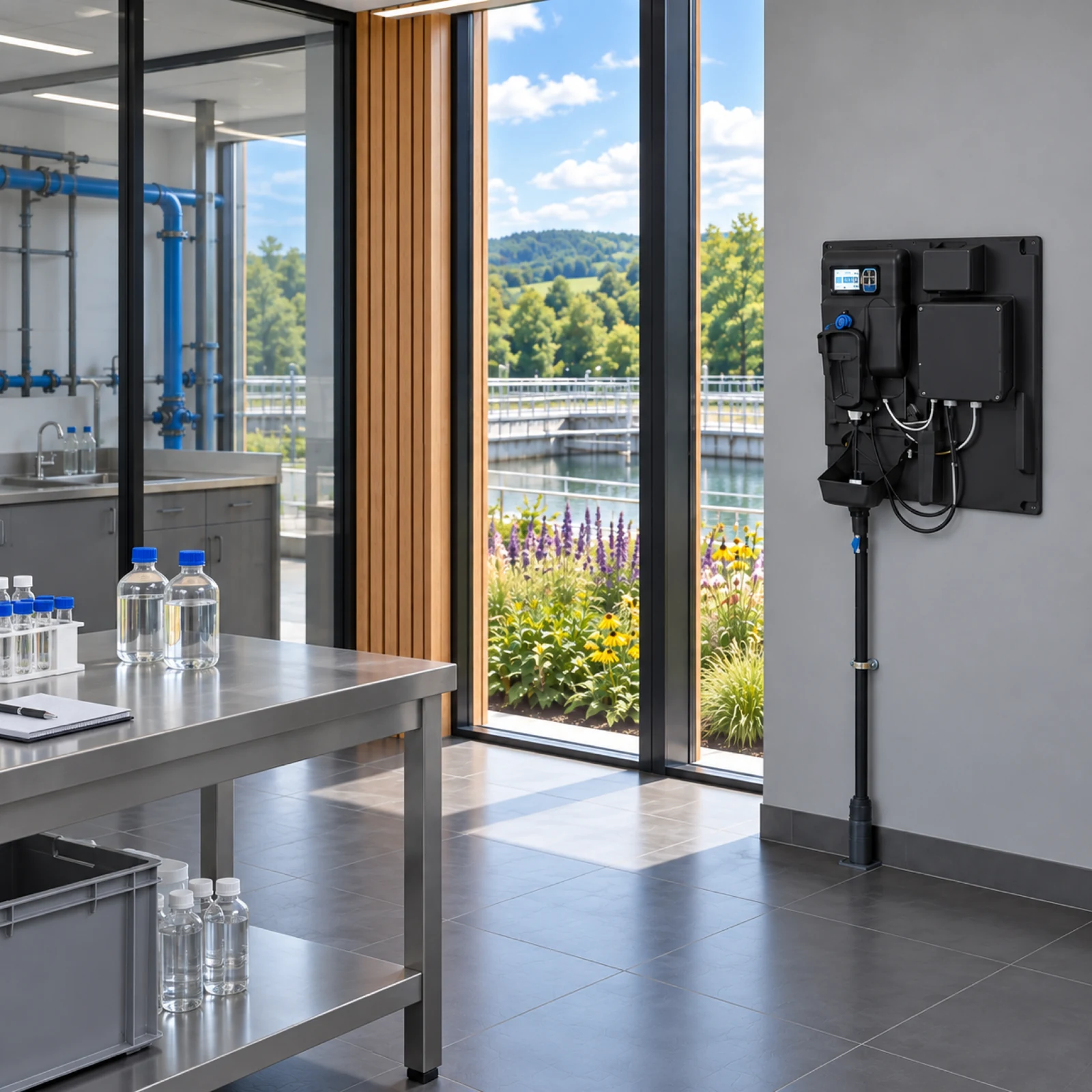
Use the same water, the same timing and a known test method.
Identify the optical method
Instruments using different light sources and optical arrangements need not respond identically to every sample. Check the actual model and method, including whether the unit uses infrared or white light. A common unit label alone does not establish that two methods are interchangeable.
PMA’s guide to choosing an online turbidimeter covers the questions to resolve before ordering. Include the existing site method and comparison instrument in the enquiry, especially when replacing an established analyser.
Separate verification from calibration
Verification checks whether performance remains acceptable against an agreed reference or procedure. Calibration establishes the measurement relationship. If a comparison fails, first identify the cause; changing calibration to match a single unexplained grab result can conceal a sampling problem.
The Lovibond PTV 1000 is designed for low-level process turbidity applications. PMA’s installation, calibration and maintenance guides provide product-specific support. Use the instructions for the installed configuration and the site’s quality procedures.
Keep a short comparison record
- Sample points and times, online flow conditions and any transport delay.
- Online and comparison instrument models, methods and units.
- Cleaning, calibration and verification dates, with reference material details.
- Observed bubbles, deposits or handling differences and the action taken.
Turbidity is an optical measurement; it does not by itself identify a contaminant or establish microbiological safety. PMA can help UK teams review an installation or specify a suitable PTV 1000 configuration. Include the water type, required range and existing comparison method when requesting a quotation.