
A sludge sample can occupy the same volume after settlement on two different days and still tell a different story about the process. The missing piece is how much suspended solids was in each sample. That is why UK wastewater teams use sludge volume index, or SVI, alongside mixed liquor suspended solids (MLSS).
SVI relates settled sludge volume to the mass of solids present. It helps make settlement observations more useful, but it is not a diagnosis on its own. A change deserves investigation alongside the works’ loading, clarifier conditions and other process measurements.
How to calculate sludge volume index
For a conventional 30-minute test, use the settled sludge volume expressed in mL/L and the MLSS concentration in mg/L. The calculation is:
SVI (mL/g) = settled sludge volume (mL/L) × 1,000 ÷ MLSS (mg/L).
For example, a settled volume of 300 mL/L and MLSS of 3,000 mg/L gives an SVI of 100 mL/g. If MLSS were 2,000 mg/L with the same settled volume, SVI would be 150 mL/g. These are worked examples, not operating targets. The S3A SVI guide explains why solids concentration and settled volume should be reviewed together.
Check the units before entering a result into a spreadsheet. If MLSS is already in g/L, divide the settled volume by that value without the additional factor of 1,000. Keep the test method and any dilution recorded with the result.
Start with a consistent sample
A useful SVI trend starts with a consistent sample and a reliable MLSS result.
Investigate the change before changing the process
Start with the measurement trail. Was the sample taken from the usual point, mixed consistently and tested promptly? Was the solids concentration measured on the same mixed liquor? A different sample location or handling routine can make a process trend harder to interpret.
Then look beyond the final volume. Note the speed of settlement, the clarity of the liquid above the sludge and any rising or floating material. Compare those observations with the clarifier blanket, recent flow changes and the site’s operating records. A higher SVI alone does not identify the cause or justify a particular wasting adjustment.
Where automated settlement testing fits
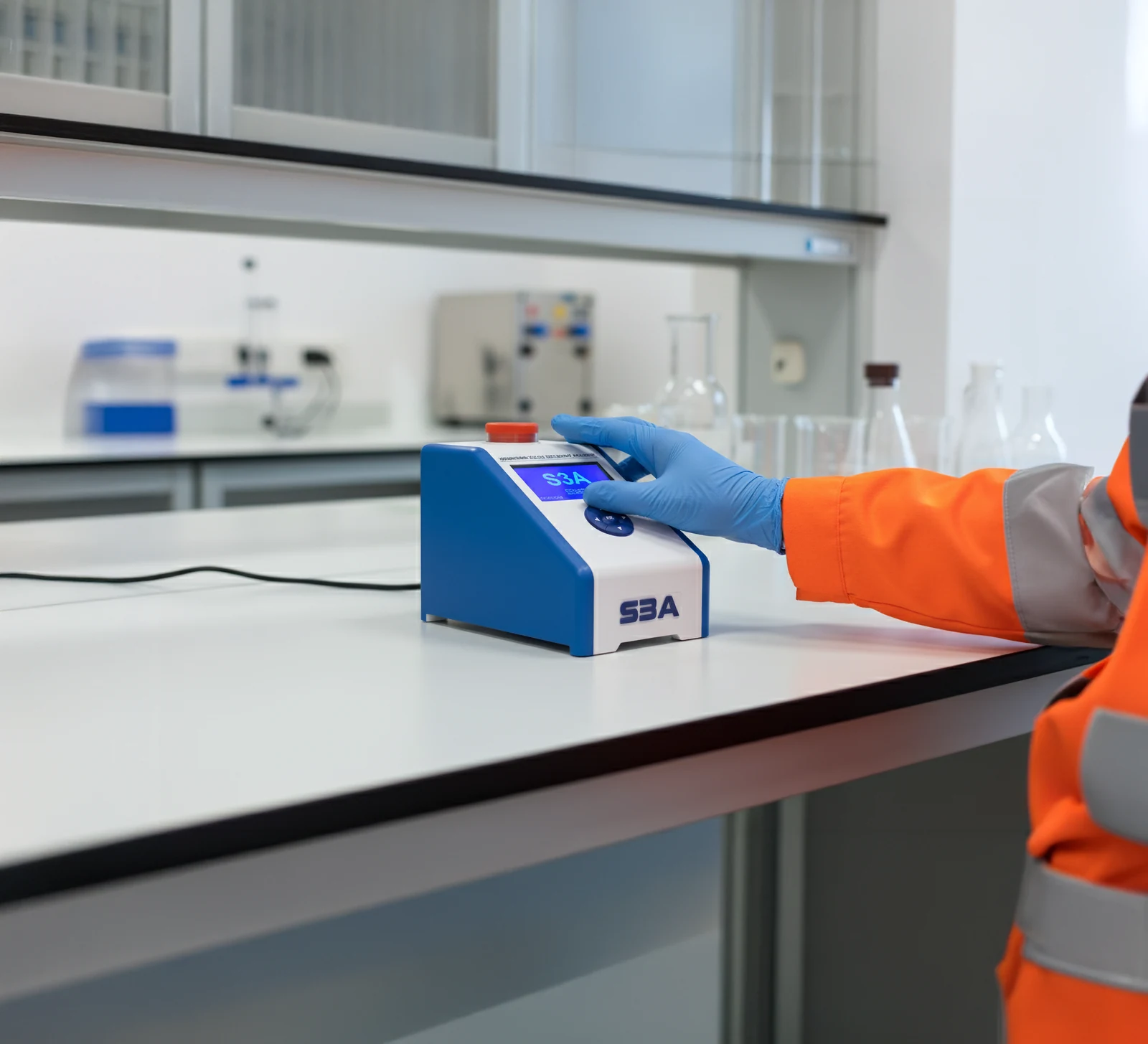
The S3A suspended solids settlement analyser brings MLSS and settlement measurements into one repeatable workflow. Its measurement parameter guides explain how SVI, settled sludge level, supernatant clarity and floating sludge are used together.
The standard workflow uses an unattended 30-minute settlement test. Stirred SVI and stirred settled sludge level require the optional stirrer. Keep those methods identified separately in records rather than merging unlike results into a single trend.
Build a useful works record
- Record the sample point, date, time and test method, including any dilution or stirring.
- Store MLSS and settled volume as well as the calculated SVI, with units shown.
- Log unusual rainfall, loading or operational changes beside the trend.
- Keep the site’s laboratory checks and instrument verification routine in place.
If the priority is checking the clarifier itself, portable sludge blanket measurements answer a different, complementary question. PMA can help UK teams choose a measurement workflow for the process decision they need to make.
For a quotation, tell us your typical MLSS range, sample locations, current test method and whether stirred settlement testing is required.