Suspended solids & SVI analysis.Discover S3A
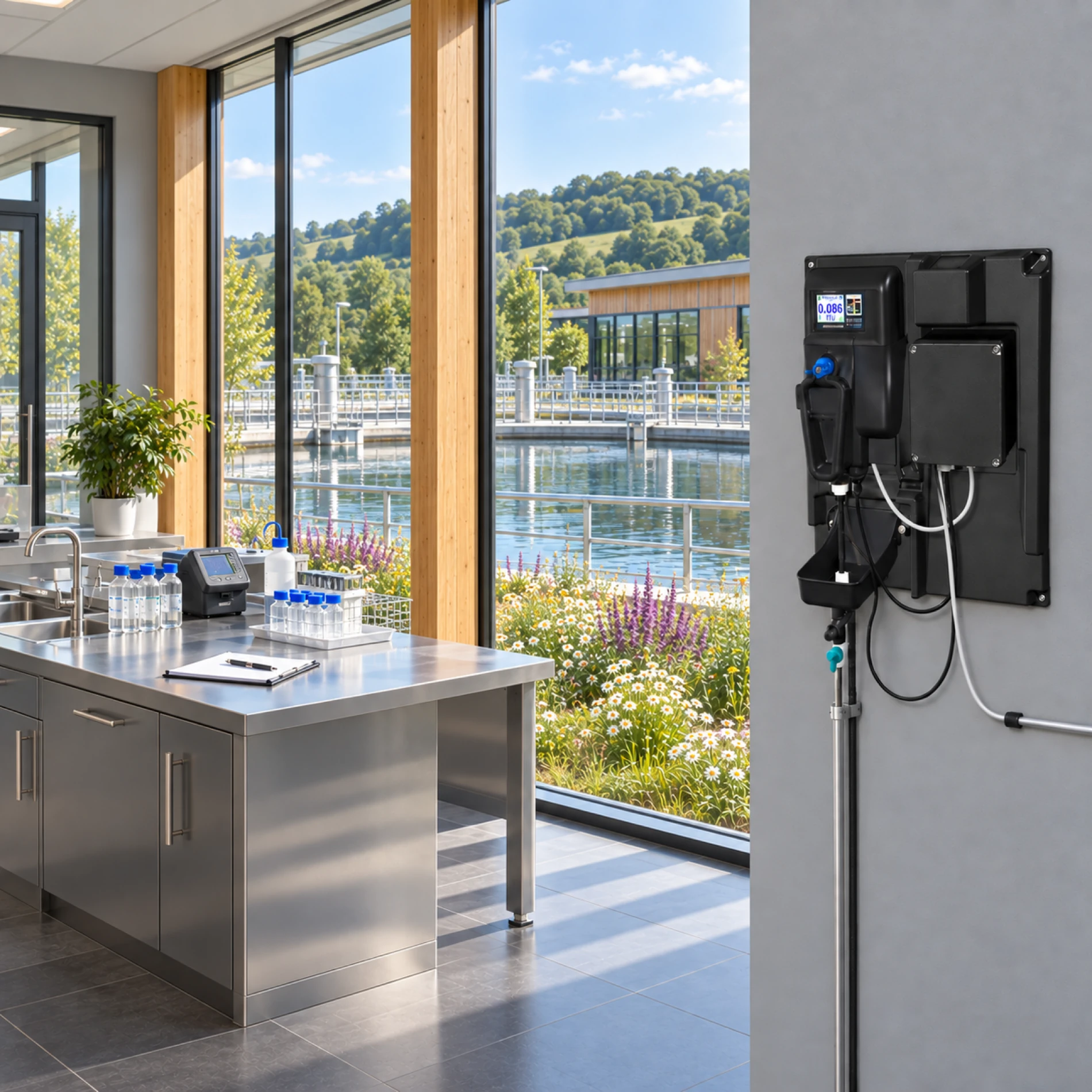
Lovibond PTV 1000 in an illustrative treated-water setting

Treated-water transfers

Give a low-level turbidity change its hydraulic context, from storage to the next transfer.

Define the water the reading represents

A monitor on a treated-water transfer line answers a question about water at that sampling point. It does not describe every part of a storage asset. Start with the inlet, outlet or transfer route you want to observe, then connect the trend to the way that route is operated.

The Lovibond PTV 1000 is intended for low-level drinking-water turbidity measurement. Confirm the optical model, expected water characteristics and sample arrangement with PMA before specifying it for a storage or transfer location.

PTV 1000 product illustration in a treated-water setting
Illustrative product setting; not a documented site installation.

Build a transfer-event record

Use the following record to make a trend change traceable without turning an observation into an assumed cause. Keep the site’s operating limits and response procedure alongside it.

Name the route

Record the source and destination asset, sample take-off and monitor ID. Note whether the point is on a common main, an individual outlet or a bypass. A label such as “reservoir turbidity” is too broad to establish which water was measured.

Add the operating state

Mark pump starts, valve changes, filling, drawdown and any change of supply route against the trend. Record the direction of flow and the relevant operational log reference. Separate confirmed events from suggested explanations for the change.

Allow for water travel

Estimate the sample-line delay and consider travel through the transfer route and storage asset. Simultaneous inlet and outlet readings may represent different water. Avoid treating their difference as a direct measure of what the asset added or removed.

Close the handover

Record what was checked, which time window remains uncertain, who owns the next action and when it will be reviewed. Keep the original trend and event times available so the next shift can follow the same sequence rather than reconstruct it from memory.

Keep turbidity in the wider assessment

A turbidity trend can identify a change to investigate; it cannot establish microbiological safety, confirm reservoir integrity or approve an asset’s return to service. Relate the observation to the site’s wider water-quality checks, asset inspection and operating procedure.

When comparing transfer periods, identify changes in source water, flow route and time in storage first. A different trend after a pump or valve event is an association to examine, not proof that the event caused the change.

The Drinking Water Inspectorate’s reservoir-integrity review provides wider asset-health context for this distinction.


Prepare a useful application brief

Send PMA a simple route sketch, the proposed sample point, normal and changing operating states, expected turbidity range and available trend records. Include sample-line length, drain provision and the instrument connection you need. These details help establish what the installation can represent before choosing the equipment.

Instrument care

Review installation, calibration, verification and maintenance alongside the site’s own procedures.

Video guides

Match the monitoring purpose

Check the optical method, measurement point and practical installation requirements.

Selection guide

Filter-stage operation

Build a filter-run and event record for the treatment stage upstream of these applications.

Filter guidance

Another monitoring point

Use a separate application record when the water and operational purpose change.

Membrane guide

Let’s talk about your application.

Speak to the PMA team about your instruments, reagents or service requirements. Tell us what you need, and we’ll help you find the right next step.

  • Advice for your application. Find the right instruments, sensors and chemical reagents for your process.
  • Practical service support. Discuss commissioning, calibration, maintenance or an instrument issue with our team.
  • Clear next steps. Ask a technical question or request a callback, with your site and measurements in mind.
  • An enquiry, not a mailing list. Your details are used to respond to you. You won’t be added to a marketing database.

Trusted by our clients

Prefer to speak with us?

Call 01484 843 708

You can also email [email protected].

Tell us how we can help

Share your requirements below. All fields are required.


Your enquiry goes directly to our team. Your details are used to respond to you, and you won’t be added to a marketing database. Read our privacy policy.