Suspended solids & SVI analysis.Discover S3A
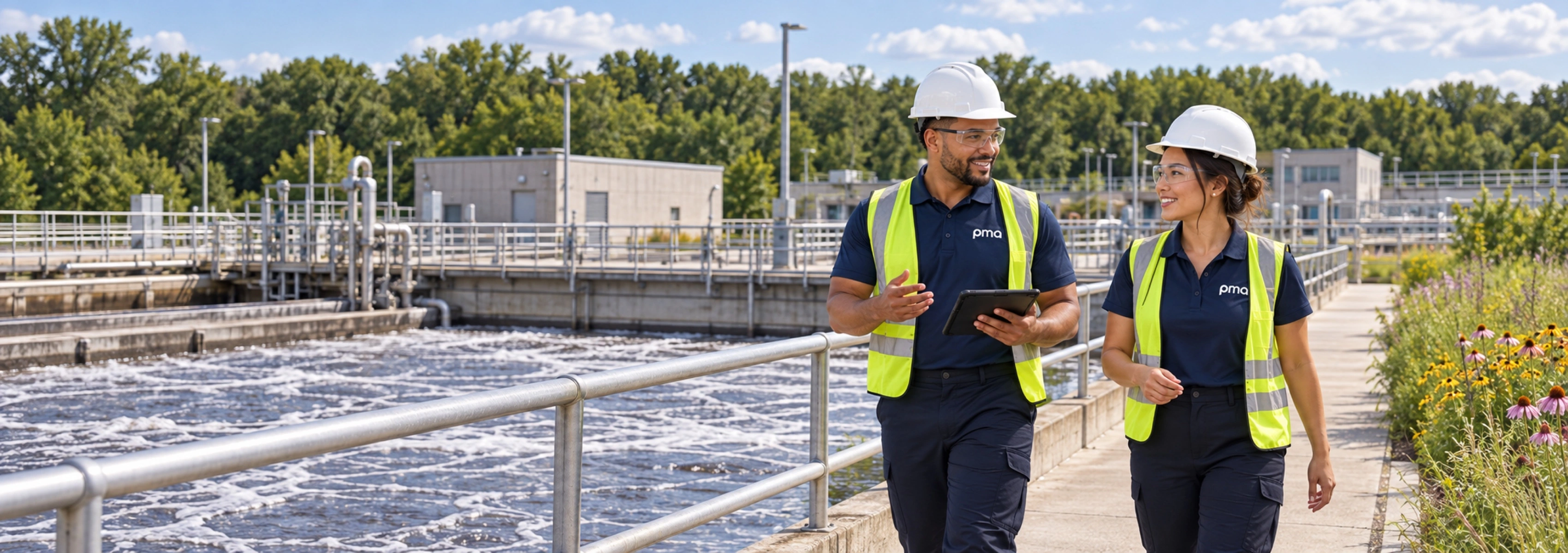
PMA colleagues reviewing a water-treatment works

Produced-water checks

Compare treatment stages with a defined pairing window and a shared measurement basis.

Define what the comparison should answer

A lower oil reading downstream is useful only when the upstream and downstream records describe a meaningful comparison. Define the treatment stage, sampling points and operating question before calculating a difference or presenting it as treatment performance.

Continuous TD-120 trends and collected-sample TD-550 or TD-560 results can support different parts of that record. Agree the target hydrocarbon, preparation and calibration basis for each instrument; the shared label ‘oil in water’ does not make the results equivalent.

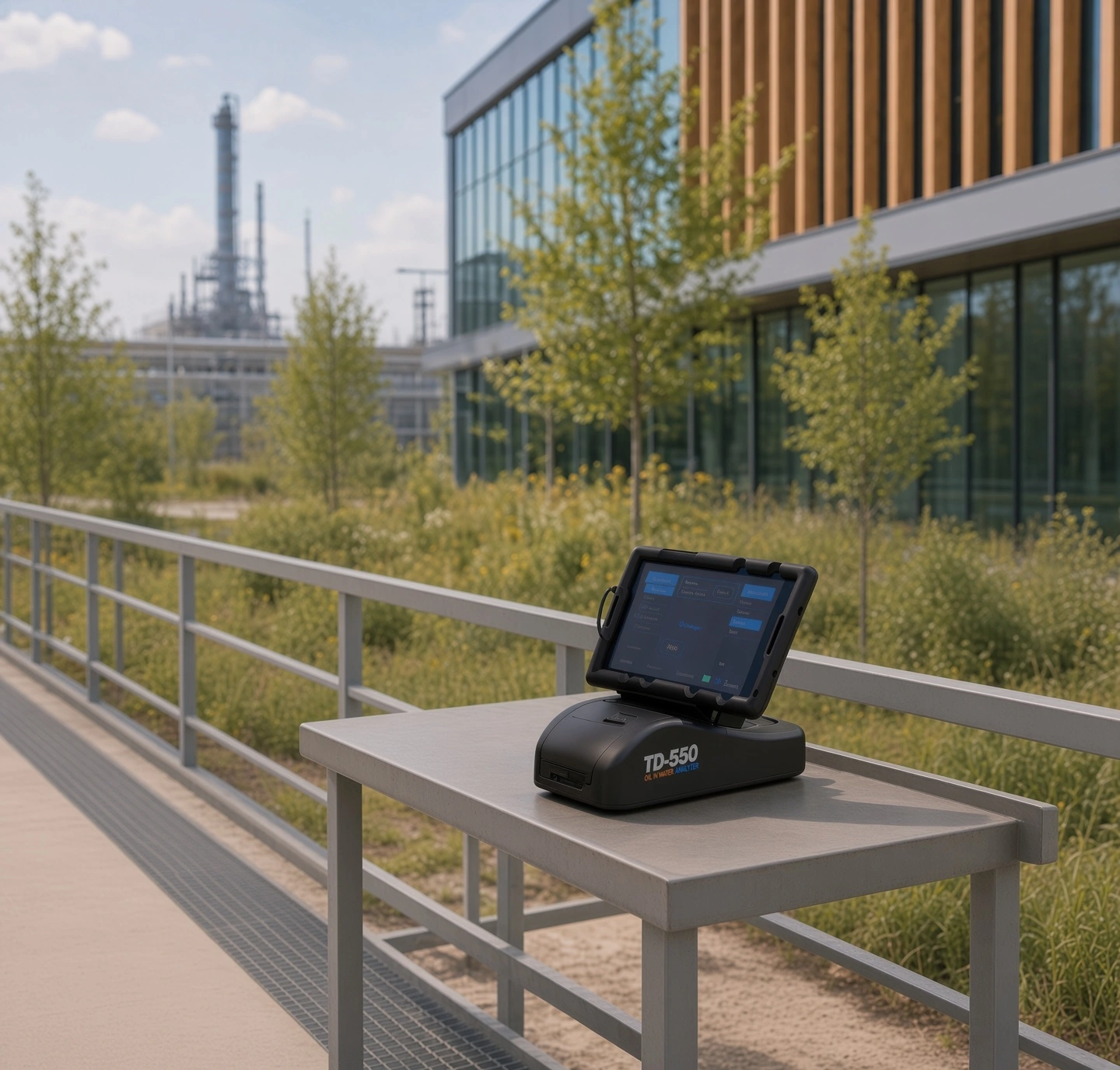
Turner TD-550 portable oil-in-water analyser on an outdoor table

Build a stage-comparison record

Keep one record for each comparison window. It should allow another operator to see which water, operating state and method were compared.

Map the stage boundaries

Name the upstream and downstream take-offs, monitor IDs and treatment equipment between them. Record recirculation, bypasses and streams joining between the points. A change across a boundary with an added stream cannot be attributed to removal alone.

Pair the water, not just the clock

Document the intended pairing window, sample-line delays and estimated travel through the stage. During a change, two readings with the same timestamp may describe different water. State any uncertainty in the pairing rather than hiding it in an average.

Retain the measurement basis

For each sample, retain the method, target-oil calibration, optical channel where relevant, preparation, reporting units and sample ID. Keep the water-matrix and oil description alongside the results. Mark a change of method or calibration as a new comparison basis.

Record the operating window

Link the pair to throughput, stage availability and relevant operating changes recorded by the site. Retain the original readings and the comparison calculation. Describe a difference as an observation until the process and measurement evidence supports the interpretation.

Keep a difference separate from a removal claim

Do not turn unmatched readings into a treatment-removal percentage. A defensible performance assessment needs an agreed sampling and calculation basis, including the flow information required by that assessment. This event record supports investigation; it is not a validated mass-balance method.

If the site requires a laboratory method for formal reporting, retain that method. Use paired representative samples to establish any relationship with an operational analyser rather than assuming the methods are interchangeable.

Select the instrument around the task

Confirm the target fluid, water matrix and measurement purpose with PMA before specifying the model. Preserve the site’s sampling, analysis and operating procedures.

TD-120 online monitor

Continuous monitoring of a suitable hydrocarbon target at a defined process point.

View TD-120

TD-550 portable analyser

Collected-sample analysis for suitable crude and heavier-oil targets, using the selected preparation and calibration.

View TD-550

TD-560 portable analyser

A second optical channel supports review of lighter hydrocarbon targets alongside the TD-550 channel.

View TD-560

Looking after your world since 1971

PMA connects the measurement, installation and operating team. We help you review the application, select suitable instrumentation and plan commissioning, training and ongoing service.

Prepare an application brief

Send PMA a treatment-stage sketch, the two proposed sample points, expected oil and water characteristics, operating range and the existing reporting method. Include sample travel, available flow records and whether the purpose is a continuous trend, a portable investigation or a formal method comparison.

Related operating guidance

Let’s talk about your application.

Speak to the PMA team about your instruments, reagents or service requirements. Tell us what you need, and we’ll help you find the right next step.

  • Advice for your application. Find the right instruments, sensors and chemical reagents for your process.
  • Practical service support. Discuss commissioning, calibration, maintenance or an instrument issue with our team.
  • Clear next steps. Ask a technical question or request a callback, with your site and measurements in mind.
  • An enquiry, not a mailing list. Your details are used to respond to you. You won’t be added to a marketing database.

Trusted by our clients

Prefer to speak with us?

Call 01484 843 708

You can also email [email protected].

Tell us how we can help

Share your requirements below. All fields are required.


Your enquiry goes directly to our team. Your details are used to respond to you, and you won’t be added to a marketing database. Read our privacy policy.