Direct nitrate and nitrite analysis
Chromatographic separation distinguishes nitrate from nitrite before UV detection. This approach helps manage optical interference from a complex water sample.


Measure nitrate and nitrite separately, with automated on-site analysis and practical support from the PMA team.
River catchments, treatment works and aquaculture systems can change between collected samples. Aquamonitrix brings automated nitrate and nitrite analysis to the monitoring point, helping your team follow those changes and investigate them with better information.
The NOx-monitrix family combines ion chromatography with UV detection. It separates the two ions before measuring them, providing an individual nitrate result and an individual nitrite result from the same sample.
Choose the Mobile model for field deployments or discuss the in-process model for treatment installations. PMA can help define the sample arrangement, measurement range, power supply and data connections for your application.
Separate nitrate and nitrite measurements provide a clearer picture of nitrogen behaviour than a combined value alone.
Chromatographic separation distinguishes nitrate from nitrite before UV detection. This approach helps manage optical interference from a complex water sample.
NOx-monitrix Mobile can analyse as frequently as every 15 minutes. Set the schedule around the changes you need to follow and the practical needs of the site.
Connect to a control system using the specified interface, or discuss Datamonitrix remote access for trends, alerts and instrument status.
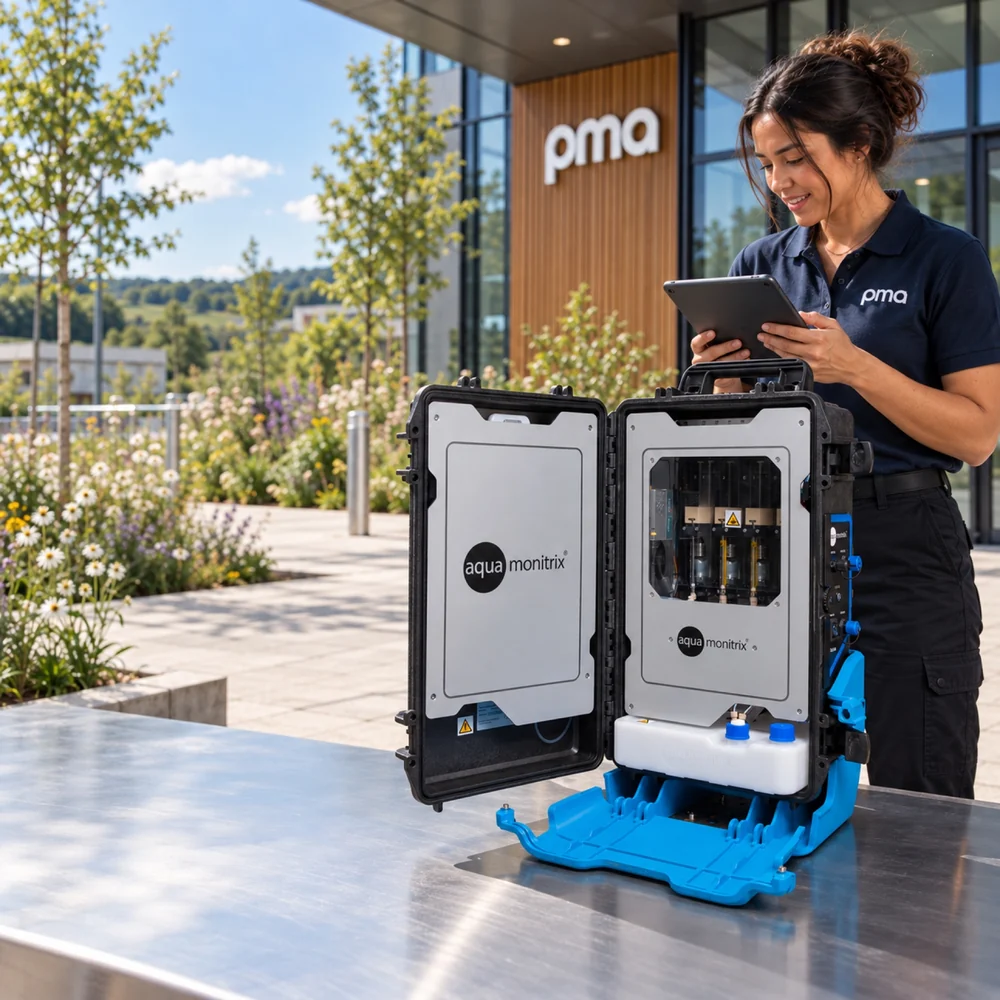
Aquamonitrix uses a small automated analytical system rather than an immersed nitrate-only probe. Its measurement sequence is designed to resolve both ions in one run.
An inlet and sample route bring water to the analyser. Filtration or settling may be needed for the water matrix; an aeration-basin installation requires suitable sample preparation.
Ion chromatography separates the ions as they pass through the analytical system. A dilute sodium chloride solution is used as the carrier eluent.
UV detection produces separate results. Scheduled measurements reveal trends, while recorded data help your team compare changes with operating conditions and laboratory checks.
Start with the measurement question, then choose a configuration that suits the water, location and operating conditions.
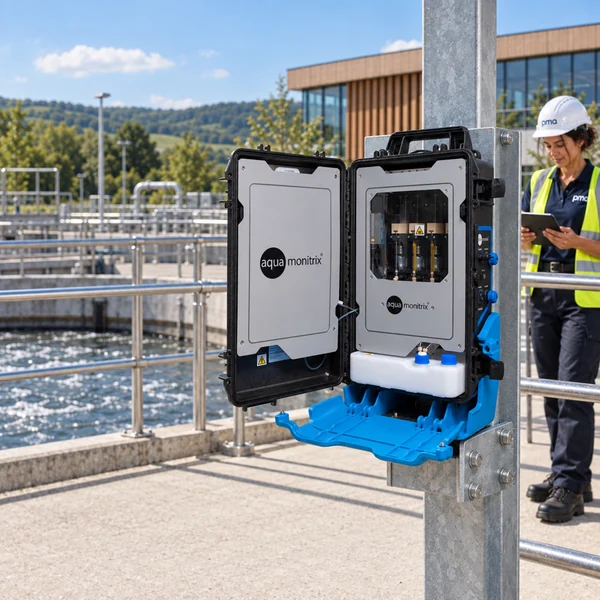
Follow biological nitrogen removal and final-effluent trends.
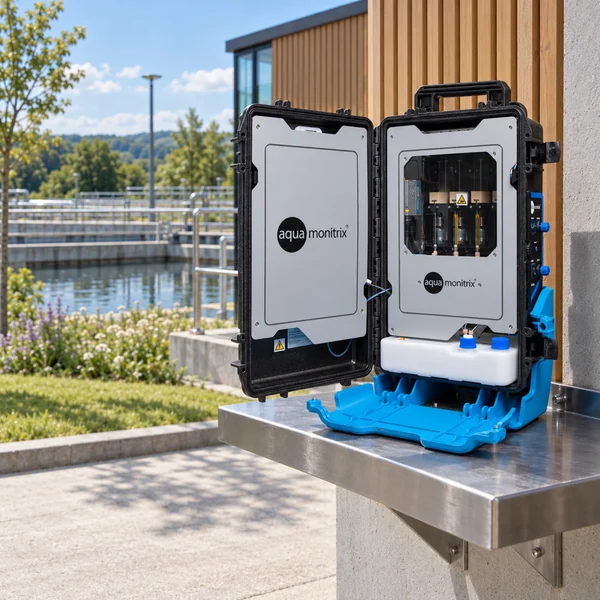
Assess raw-water blending and treated-water nitrate and nitrite.
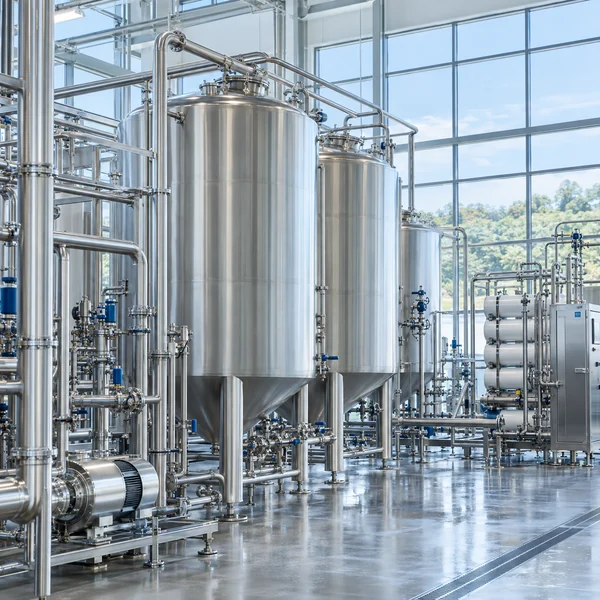
Review process-water and effluent nitrogen with a suitable sample assessment.

Collect frequent measurements for trials and water-quality investigations.
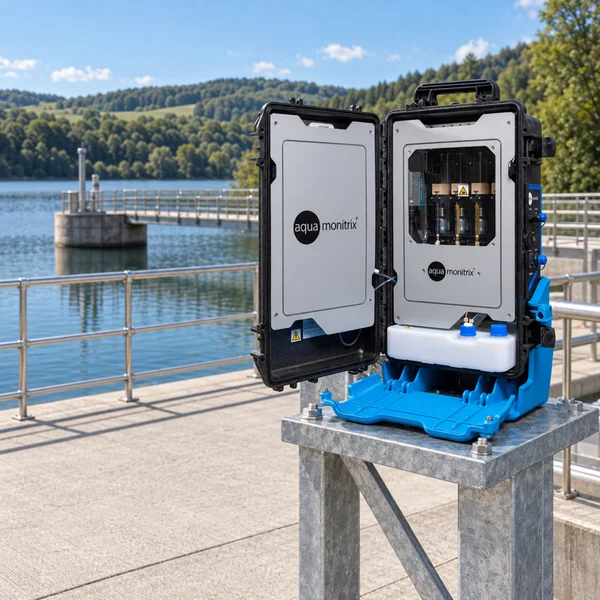
Build a better record of nutrient changes at defined monitoring points.
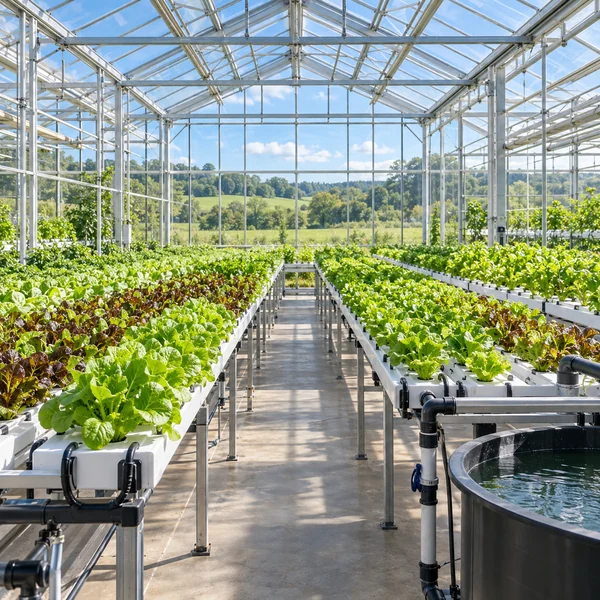
Investigate nutrient movement in irrigation water, drainage and catchments.
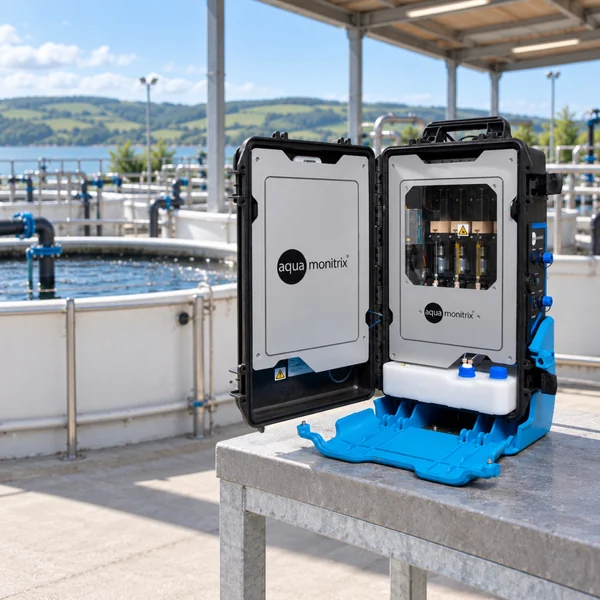
Track nitrite accumulation and nitrate trends in recirculating systems.
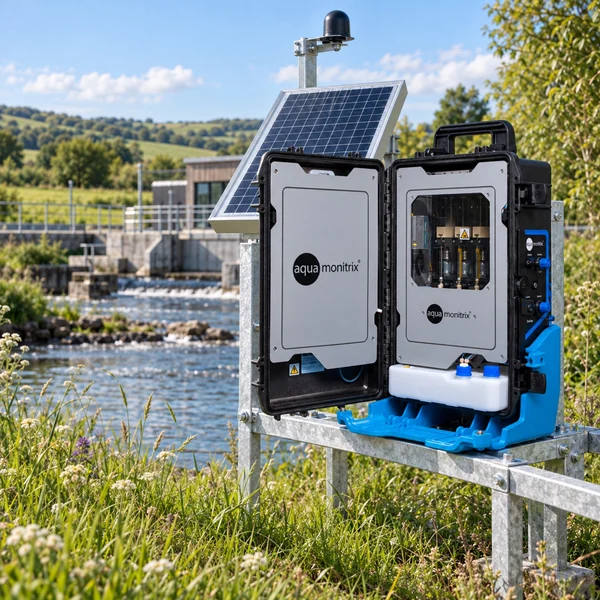
Observe catchment changes and investigate short-lived nutrient events.
These manufacturer values apply to the Mobile model. Keep the ion basis and water matrix clear when comparing instruments or laboratory results.
Nitrate: 0.6–500 mg/L as NO3−.
Nitrite: 0.05–100 mg/L as NO2−.
These are concentrations of the ions, not mg/L as nitrogen.
At 35 ppt salinity, published lower limits are 1.0 mg/L as nitrate and 0.5 mg/L as nitrite. Confirm suitability against your expected concentrations and sample matrix.
Analysis as frequently as every 15 minutes, equivalent to up to 96 scheduled samples per day. A sample-based analyser provides periodic results rather than an instantaneous continuous probe signal.
15–25 V DC supply; 50 W maximum. Optional AC conversion is available. Published Mobile ambient range is 7–40°C and sample temperature range is 2–50°C.
IP65 enclosure. Plan suitable mounting, inlet access, drainage and protection from site conditions. Assess the need for filtration or settling before installation.
RS485 Modbus is standard; RS232 is optional. Other interfaces and Datamonitrix remote access depend on the specified configuration.
View the manufacturer’s Mobile specification. The in-process NOx-monitrix has its own specification, including a published sample range of 2–40°C. PMA will confirm the exact model, accessories and operating requirements.
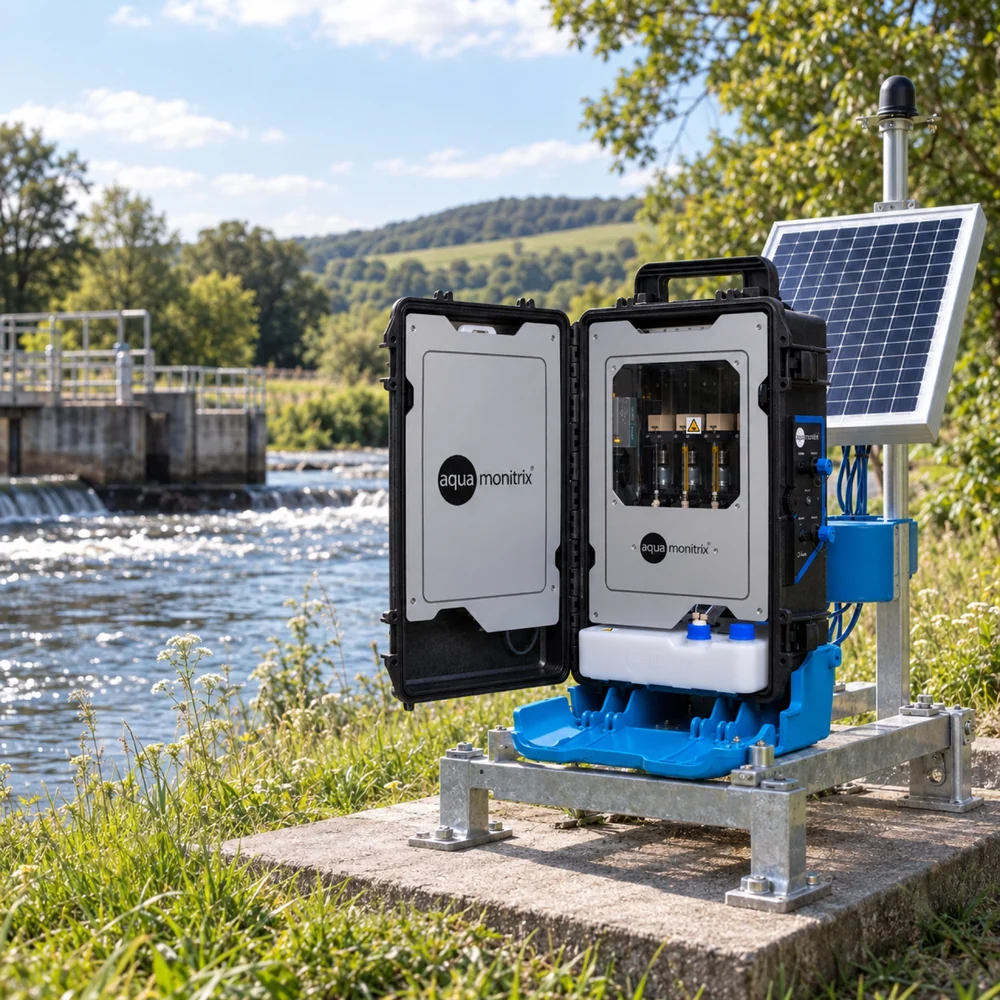
Field monitoring brings practical questions: how to get a representative sample, power the analyser, protect it from temperature extremes and retrieve the data. Solve these together when planning the installation.
A solar and battery arrangement can support suitable remote deployments, but must be sized for the sampling schedule and local conditions. An IP65 enclosure does not remove the need for appropriate siting and environmental protection.
Datamonitrix provides remote trends, timestamps, alerts and instrument information when configured. Control-system integration and remote communications should be agreed as part of the specification.
Routine care still matters. Plan inlet checks, cleaning, consumable replenishment and servicing around the water matrix and duty cycle.
Read the existing PMA article about the US EPA validation work and its measurement context.
Explore the existing collection of Aquamonitrix articles and application updates.
Find out more about remote data access, instrument information and monitoring workflows.
Read the existing water-utility case study about direct nitrite analysis in drinking water.
Yes. Ion chromatography separates the two ions before UV detection, producing individual nitrate and nitrite results from one analytical run.
NOx-monitrix is an automated sample-based analyser. Mobile can run as frequently as every 15 minutes. Account for sample transport and the analysis cycle when interpreting the timestamped result.
The separation approach helps manage optical interference, but sample suitability still needs assessment. Filtration or settling may be required, particularly for wastewater process samples.
Describe the water matrix, expected nitrate and nitrite levels and units, sampling location, temperature, salinity and solids. Include available power, access, communications and the reason for monitoring.
Plan nitrate measurement in rivers, source water and treatment processes.
Understand direct nitrite measurement in drinking water, wastewater and aquaculture.
Speak to the PMA team about your instruments, reagents or service requirements. Tell us what you need, and we’ll help you find the right next step.
Trusted by our clients


Share your requirements below. All fields are required.
Your enquiry goes directly to our team. Your details are used to respond to you, and you won’t be added to a marketing database. Read our privacy policy.
To find out more about our range of sensors, request a callback or ask a technical question, our expert staff are always on hand. Our focus has always been to deliver world-class customer service.
Get startedWe use optional Google Analytics cookies to understand which pages are useful. Analytics stays off unless you accept. Read our privacy statement.